
Medical Waste Incinerators in Libya: Market Demand, Trends, and Suitable Solutions
Libya is accelerating its efforts to improve healthcare services in major cities such as Tripoli, Benghazi, and Misrata. With expanding hospitals, new clinics, and increased surgical and diagnostic capabilities, the volume of medical and hazardous waste is growing. Effective treatment of these waste streams is necessary to protect public health, prevent environmental contamination, and support healthcare modernization in Libya.
Market Characteristics in Libya
Medical waste management varies significantly across the country. While Tripoli and Benghazi have more developed medical facilities, areas like Sabha and Sirte often face infrastructure limitations. Many hospitals still rely on outdated practices such as open burning or uncontrolled dumping, risking infection spread.
Key factors shaping the market:
-
High dependence on healthcare imports and international system support
-
Large hospital facilities producing infectious waste daily
-
Need for reliable disposal in hot, dry climates where decomposition is rapid
-
Increased regulatory awareness for emissions and workplace safety
Libya’s desert environment and growing population make safe waste disposal a long-term strategic priority.
Growing Demand and Market Trends
Several drivers are pushing for modern medical waste incinerators in Libya:
-
Expansion of private clinics in Tripoli and Misrata
-
High volumes of sharps, contaminated plastics, and laboratory waste
-
Pressure to align with global health and safety standards
-
Restoration and upgrade projects for hospitals affected by conflict
Future demand will favor:
-
Medium to high-capacity systems for city hospitals
-
Compact and secure solutions for regional clinics
-
Technology that ensures full combustion and reduced smoke generation
Why Incineration Fits Libya’s Conditions
Transporting hazardous waste across long desert distances is costly and risky. Incineration allows hospitals to neutralize infectious waste directly at the point of generation.
Advantages that match Libya’s needs include:
-
Immediate destruction of pathogens at temperatures above 850°C
-
Small leftover ash simplifies final disposal
-
Continuous operation even in high outdoor temperatures
-
Flexible fuel sources, especially diesel, which is widely available
Incinerators provide a practical, dependable solution in both coastal zones and inland regions such as Sabha.
HICLOVER Advantages in the Libyan Market
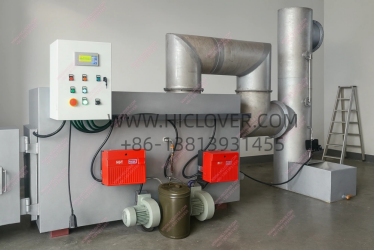
HICLOVER medical waste incinerators are designed for demanding environments found in Libya. Their structure and performance features include:
-
Dual combustion chambers for clean and complete burning
-
Robust refractory lining that withstands frequent thermal cycles
-
PLC control or simple push-button operation depending on user preference
-
Diesel, LPG, or natural gas fuel options based on local supply availability
-
Optional flue gas treatment to reduce smoke and odor ― essential for hospitals located near residential zones in Benghazi or Tripoli
Containerized models are suitable for temporary medical sites or emergency health units, offering rapid deployment and minimal construction requirements.
Additional Highlight: Health Infrastructure Recovery
Libya is actively rebuilding healthcare facilities in several regions. Modern medical waste treatment supports:
-
Infection control in emergency wards and maternity hospitals
-
Improved hygiene standards in intensive care and dialysis centers
-
Better environmental conditions near populated districts and port zones
International support programs working in Tripoli or Misrata often require compliant waste treatment systems; efficient incinerators strengthen project qualification.
Conclusion
Libya’s healthcare modernization creates a clear opportunity for advanced medical waste incinerators. Safe disposal of infectious waste in cities like Tripoli, Benghazi, Misrata, and Sabha is essential for public health protection and environmental sustainability. Incineration provides a direct, manageable, and reliable solution across all regions of Libya.
HICLOVER incinerators offer strong durability, controlled combustion, easy installation, and emissions-friendly options ― making them well-suited for hospitals and clinics throughout Libya that are seeking to enhance their waste management capabilities and prepare for future healthcare growth.
2025-12-08/11:23:28
|
Incinerator Items/Model |
HICLOVER TS100(PLC)
|
|
Burn Rate (Average) |
100kg/hour |
|
Feed Capacity(Average) |
150kg/feeding |
|
Control Mode |
PLC Automatic |
|
Intelligent Sensor |
Continuously Feeding with Worker Protection |
|
High Temperature Retention(HTR) |
Yes (Adjustable) |
|
Intelligent Save Fuel Function |
Yes |
|
Primary Combustion Chamber |
1200Liters(1.2m3) |
|
Internal Dimensions |
120x100x100cm |
|
Secondary Chamber |
600L |
|
Smoke Filter Chamber |
Yes |
|
Feed Mode |
Manual |
|
Burner Type |
Italy Brand |
|
Temperature Monitor |
Yes |
|
Temperature Thermometer |
Corundum Probe Tube, 1400℃Rate. |
|
Temperature Protection |
Yes |
|
Automatic Cooling |
Yes |
|
Automatic False Alarm |
Yes |
|
Automatic Protection Operator(APO) |
Yes |
|
Time Setting |
Yes |
|
Progress Display Bar |
3.7 in” LCD Screen |
|
Oil Tank |
200L |
|
Chimney Type |
Stainless Steel 304 |
|
1st. Chamber Temperature |
800℃–1000℃ |
|
2nd. Chamber Temperature |
1000℃-1300℃ |
|
Residency Time |
2.0 Sec. |
|
Gross Weight |
7000kg |
|
External Dimensions |
270x170x190cm(Incinerator Main Body) |
|
Burner operation |
Automatic On/Off |
|
Optional |
|
|
Wet Scrubber |
Optional |
|
Optional |
|
|
Asbestos Mercury Material |
None |
|
Heat Heart Technology(HHT) |
Optional |
|
Optional |
|
|
Dual Control Mode(Manual/Automatic) |
Optional |
|
Temperature Record |
Optional |
|
Enhanced Temperature Thermometer |
Optional |
|
Incinerator Operator PPE Kits |
Optional |
|
Backup Spare Parts Kits |
Optional |
|
Optional:Containerized/Trailer/Sledge Optional |

Comments are closed